
How I Got 140 B2B Leads in 30 Days with LinkedIn Automation (And Why It Still Works)
The truth nobody wants to hear: LinkedIn automation works brilliantly... if you actually understand your customers first.
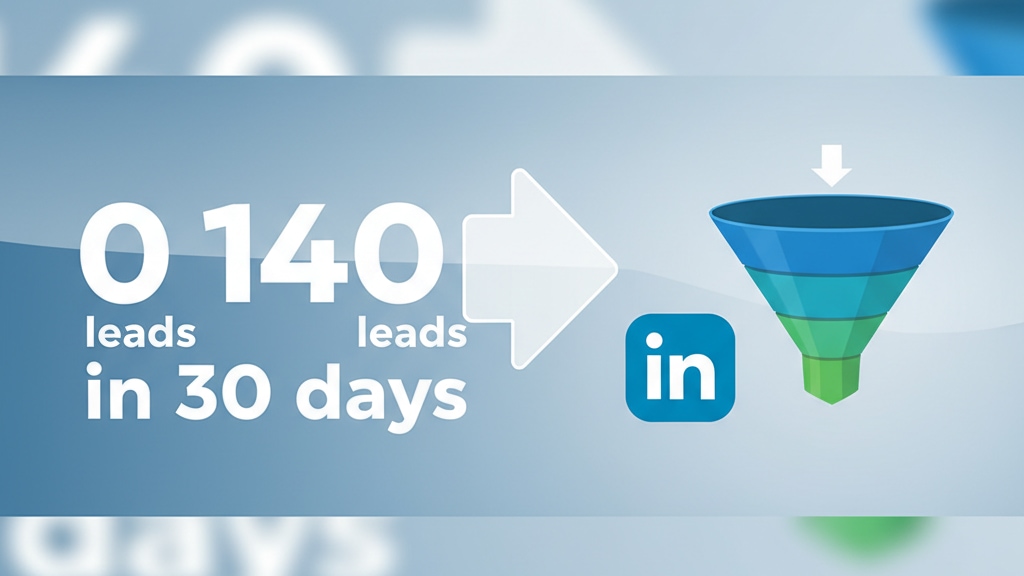
How I Got 140 B2B Leads in 30 Days with LinkedIn Automation (And Why It Still Works)
The truth nobody wants to hear: LinkedIn automation works brilliantly... if you actually understand your customers first.
I just generated 140 qualified B2B leads in 30 days using Dripify and Sales Navigator. But here's what separates winners from spammers: I knew exactly who I was talking to before I sent a single message.
Most people fail at LinkedIn automation because they try to automate before they understand. They blast generic messages to everyone and wonder why nobody responds.
Here's exactly how to do it right.
Why LinkedIn Automation Still Crushes in 2025
Let me be clear: I've closed multiple five-figure deals through LinkedIn automation. Built lasting business relationships. Found co-founders and advisors.
The platform works. The automation works. But only if you work smart.
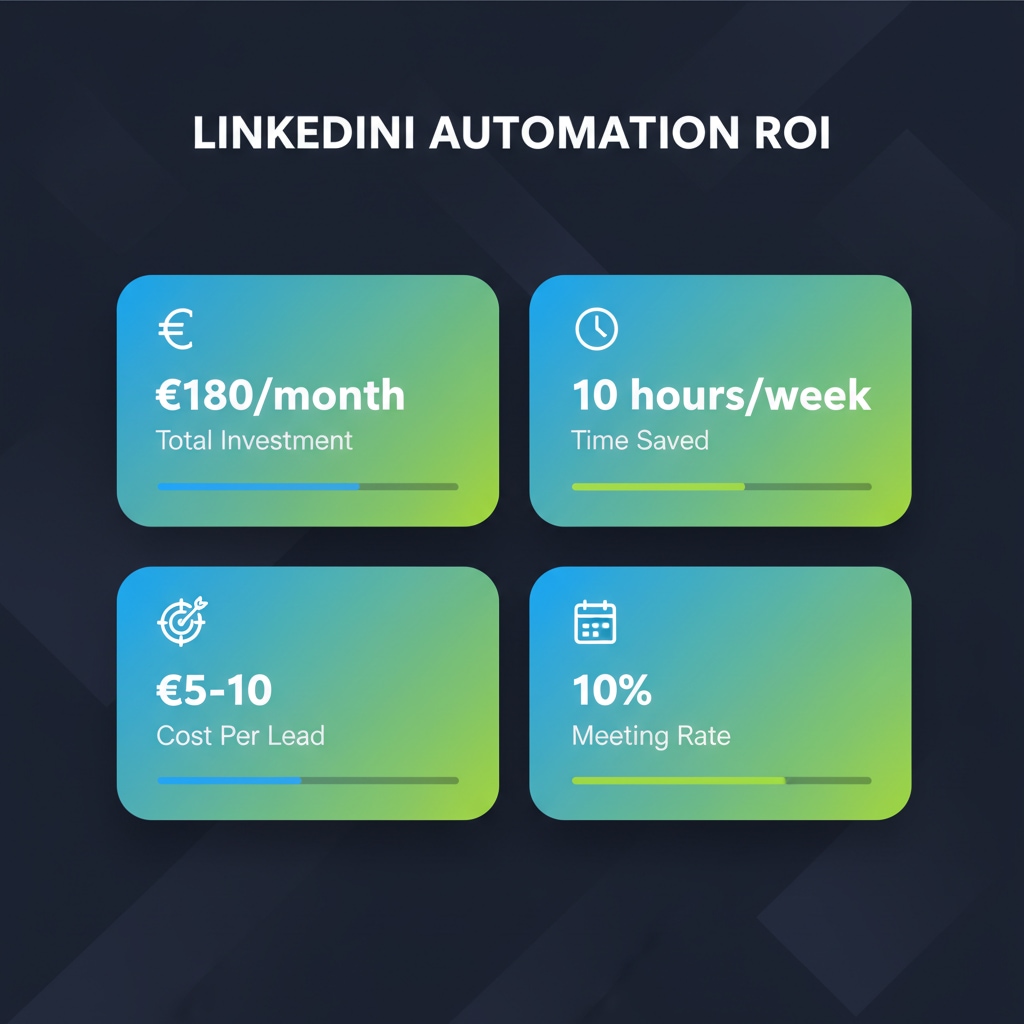
The numbers don't lie:
- 10 hours saved per week
- €5-10 per qualified lead
- 10% meeting booking rate
- Consistent pipeline generation on autopilot
The Foundation: Know Your Customer Better Than They Know Themselves
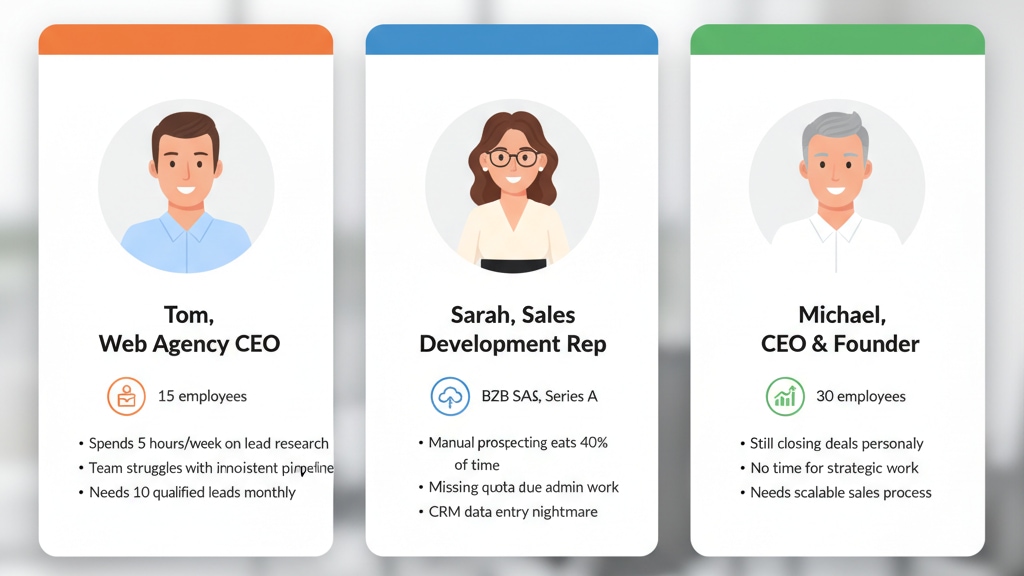
Before you even think about automation, you need to understand your ICP (Ideal Customer Profile) at a molecular level.
We targeted:
- Web agency owners drowning in lead research
- SaaS sales reps doing manual prospecting
- CEOs of 11-50 person companies who still handle sales
But here's the key: We didn't just know their job titles. We knew their daily frustrations, their KPIs, what keeps them up at night.
How to build this understanding:
- Do 20 manual conversations first
- Note the exact language they use
- Identify patterns in their pain points
- Test your assumptions with small batches
The Tech Stack That Actually Works
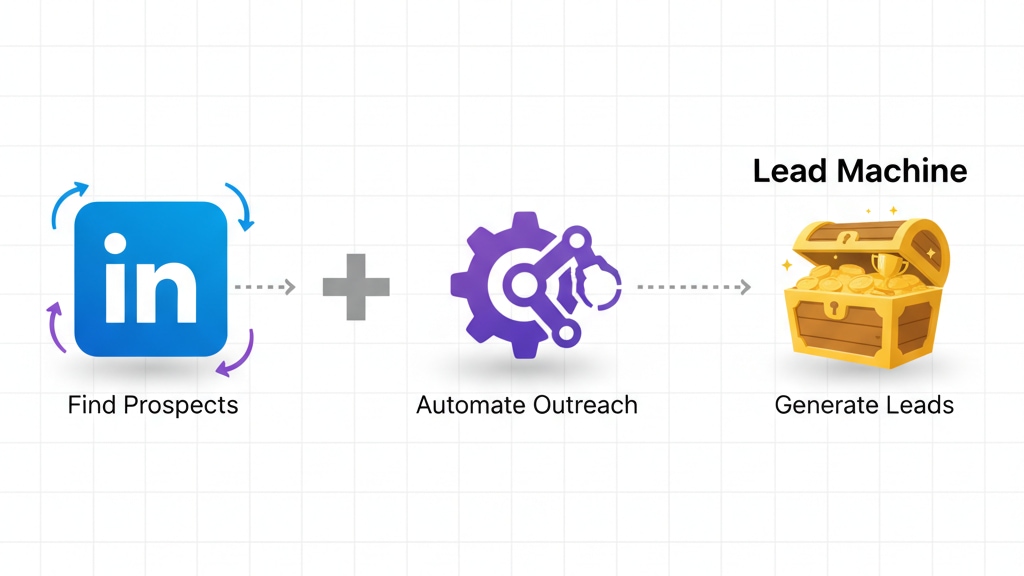
Essential tools:
- LinkedIn Sales Navigator (€79/month) - Non-negotiable for targeting
- Dripify (€59/month for Growth plan) - Handles the automation
- Your brain - For strategy and personalization
Total investment: €138/month for a lead generation machine.
The Surgical Automation Strategy
Level 1: Smart Mass Outreach (90% of your leads)
This is your bread and butter. Automated but personalized enough to convert.
Connection Request Framework:
"Hey [Name], noticed you're [specific observation about their company/role].
I work with [similar companies] to solve [specific problem].
Would love to connect and share what's working for them - totally free insights."
Key: That [specific observation] comes from proper filtering and ICP research, not random guessing.
Message Sequence After Connection:
- Day 1: Thank them, expand on the problem, soft offer to help
- Day 3: Share a relevant case study or insight
- Day 7: Direct but respectful ask for a quick call
- Day 14: Final value-add message with clear CTA
Results: 10% book meetings, 0.5-1% become customers
Level 2: Hyper-Personalized Outreach (10% of your leads)
For high-value targets, I go manual. These are the dream clients worth the extra effort.
The process:
- Research their company deeply (recent news, growth, challenges)
- Find a specific trigger event (funding, new hire, product launch)
- Craft a completely custom message addressing their exact situation
- Reference specific details that show you did your homework
Results: 30-40% book meetings, 5-10% become customers
The Personalization Hacks That 10x Your Results
Geographic Targeting:We kept our radius tight around our location. Smaller list, but we could reference local events, mutual connections, even weather. Instant rapport.
Industry-Specific Campaigns:Don't mix industries in one campaign. Agency owners get different messages than SaaS sales reps. Obvious? Yes. Do most people do it? No.
The AI Advantage:Now I use AI to analyze profiles and craft personalized first lines at scale. Game changer for maintaining quality while automating.
What Your Message Sequence Should Actually Look Like
I'm not giving you templates to copy-paste because that's exactly what kills your response rates. Instead, here's the framework:
The Opening Formula:
- Specific observation about them/their company
- Relevant problem you've noticed in their space
- Credibility indicator (without bragging)
- Low-commitment ask
The Follow-Up Rhythm:
- Provide value in every message
- Never just "bump" or "checking in"
- Each message should stand alone
- Always make it easy to say yes
The Real Numbers (From My Actual Campaigns)
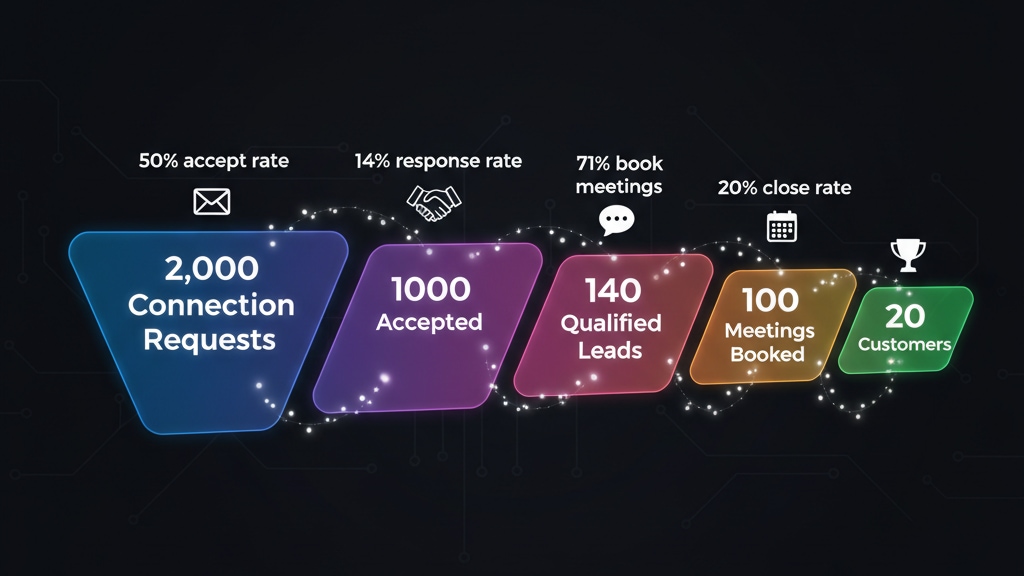
From ~2,000 targeted connection requests:
- 50% acceptance rate (1,000 connections)
- 14% positive response rate (140 qualified leads)
- 10% booked meetings (100 appointments)
- 2% became customers (20 customers)
ROI: Spent €138/month, generated €15,000+ in revenue.
Common Mistakes That Kill Campaigns
The Spray and Pray Sin:Targeting everyone with "sales" in their title. Be specific or be ignored.
The Copy-Paste Crime:Using the same message for everyone. Even automated messages need personalization variables.
The Pushy Follow-Up:Being aggressive turns prospects off. Provide value, not pressure.
The Set-and-Forget Failure:Not monitoring and optimizing. I check campaigns daily, tweak constantly.
The Hybrid Approach (My Current System)
ApproachSmart Automation 🤖Surgical Manual 🎯Volume90% of outreach10% of outreachScale75 prospects/day5-10 prospects/dayCost per Lead€5-10€50+Time Investment5 min setup per campaign15 min per prospectMeeting Rate10%40%Close Rate0.5-1%5-10%Response QualityMediumVery HighPersonalizationTemplate with variablesCompletely customBest For• Initial outreach
• Follow-up sequences
• Market validation
• Pipeline building• Dream clients
• Enterprise accounts
• High-ticket deals
• Strategic partnershipsTools NeededDripify + Sales NavigatorYour brain + time
💡 **The Sweet Spot:** Use automation to build your pipeline, then manually engage with the most promising prospects. This gives you scale without sacrificing the relationships that matter.
80% Automated:
- First-touch outreach to qualified ICPs
- Follow-up sequences for non-responders
- Meeting booking links and calendar automation
20% Manual:
- High-value enterprise targets
- Warm introductions and referrals
- Closing conversations and negotiations
This balance gives me scale without sacrificing quality.
Your 30-Day Implementation Plan
Week 1: Foundation
- Set up Sales Navigator + Dripify
- Define 1-2 specific ICPs
- Do 20 manual outreaches to test messages
Week 2: Testing
- Launch automated campaign with 100 prospects
- Test 2-3 message variations
- Track every metric obsessively
Week 3: Optimization
- Scale winning message to 500 prospects
- Refine targeting based on response data
- Start booking meetings
Week 4: Scale
- Run at full capacity (75 connections/day)
- Add second ICP campaign if first is working
- Implement manual outreach for top prospects
The Bottom Line
LinkedIn automation isn't dead. Bad LinkedIn automation is dead.
The difference? Understanding your customer before you message them. Personalizing at scale. Providing value before asking for anything.
I still run automated campaigns today. They generate consistent leads while I sleep. But I also manually reach out to high-value prospects because relationships worth millions don't start with templates.
My advice? Start automated. Learn what resonates. Use that data to personalize better. Then run both automated and manual outreach forever.
Because in B2B sales, the best strategy isn't automation OR personalization.
It's both.
P.S. - We built FastPal Copilot partly because of what we learned from these LinkedIn conversations. Turns out, when you actually listen to your prospects through automated outreach, you build better products. Who knew?