
The first real system your startup needs
Not another dashboard a control loop that links lead capture meetings show rate wins and payments so your team moves a real number every week

The pipeline is the product
Two years in, many teams still run on hope. They have motion, they have meetings, they have polite updates. What they miss is control. Control is not micromanagement. Control is the ability to see the system end to end, know who owns each lever, and make one change that moves a number this week.
This month made that obvious. We set our goal for closed contracts at two hundred thousand. We have one hundred thousand signed so far. Cash collected is ten thousand with a goal of one hundred thousand by month end. That gap is not a mystery. It is inside the pipeline, and it is measurable. When I treat the pipeline like a product, the gap becomes a roadmap.
What I mean by control
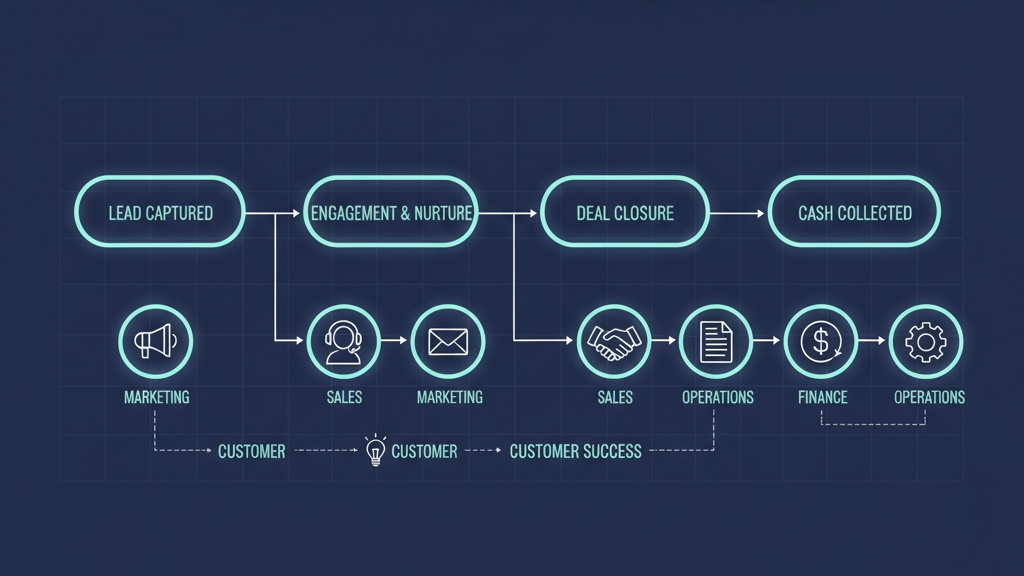
Control is three things. First, visibility. The full journey from lead captured to cash in the bank. Second, ownership. One person owns each step and knows the next action. Third, feedback. A weekly rhythm where the number moves or we change the tactic. No drama. No stories. Just the next right change.
I built our system with that lens. Sales and marketing share one live view. We track leads collected, first contact attempt, booked calls, show rate, sales calls, win rate, closed value, and cash collected. We look at time to first value because speed increases trust. We log no show and we make it visible because it steals your month.
This is not a dashboard for decoration. It surfaces decisions. If show rate drops, we change reminder sequencing now. If time to first value drifts, we reduce steps in onboarding now. If cash collected trails closed value, we fix invoicing and payment rails now.
The first choke point
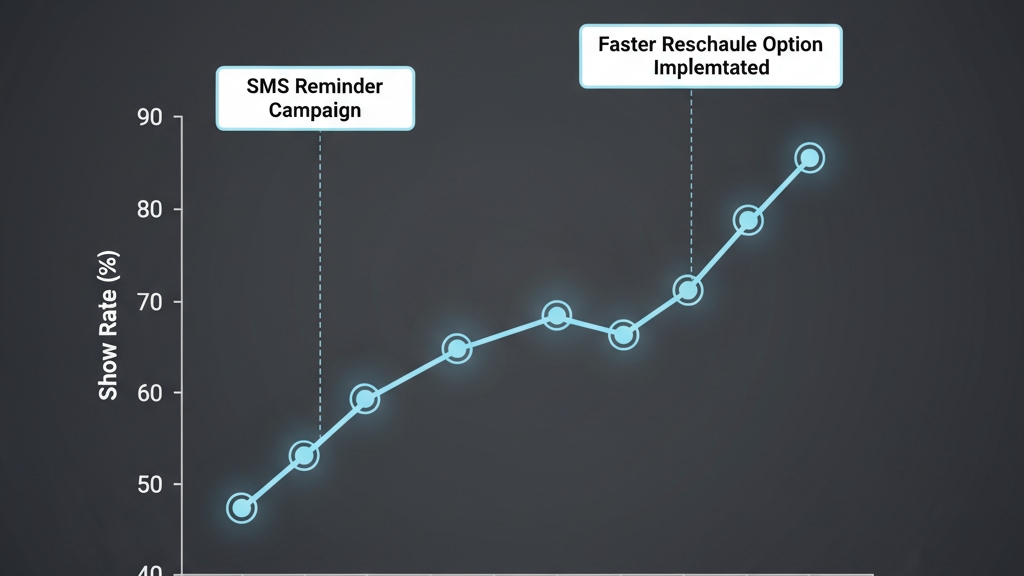
Our first choke point was simple. No show was higher than it should be. That kills momentum. It hurts team morale. It turns a strong top of funnel into a weak month. The solution is not a pep talk. The solution is a control loop.
We map the steps that happen before a call. Confirmation message, calendar invite, reminder sequence, fallback channel, reschedule path, and ownership. We run one test per week. Shorter booking windows. Clearer subject lines. SMS one day before. A fast reschedule link. Each change gets one week and one owner. The only question next week is whether show rate moved.
This method is boring by design. Boring wins.
Why this matters even when you are early
I hear this line a lot. We are still early, we do not need all that process. Early is not about age. Early is about the maturity of your operating system. If your pipeline is invisible you are fragile. If one person leaves and the number collapses you are fragile. If you cannot say which lever moved revenue last week you are fragile.
Control does not slow you down. It removes the drag you do not see. The busy work. The retries. The late nights that do not move a number. Control makes the obvious change obvious faster.
Infra choices that support control
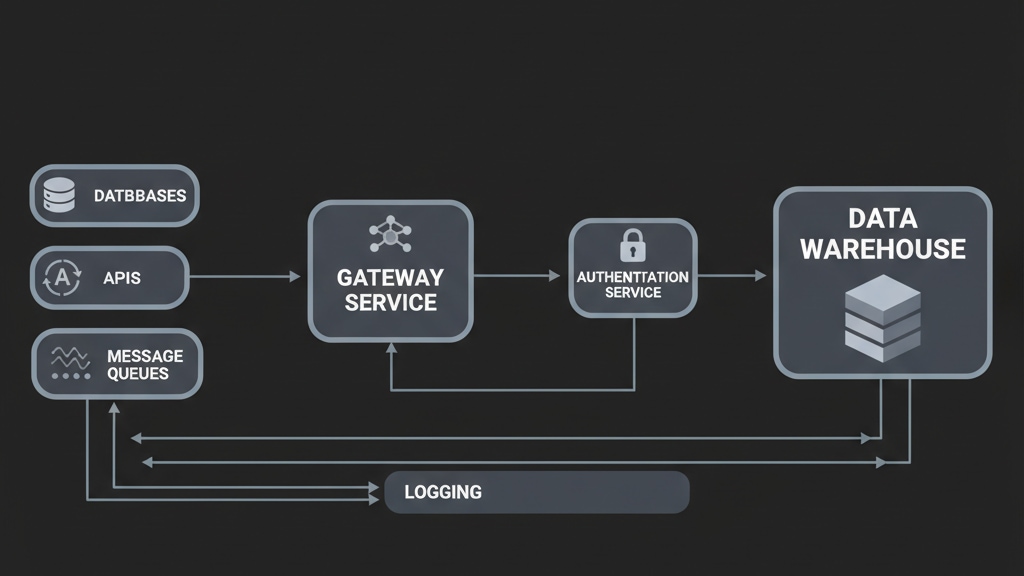
Before I joined, a lot of work shipped on Supabase edge functions. It was fast to build but expensive for our pattern and it created cold start and coordination pain. For a control system you need reliability more than novelty. We moved the critical parts to a simple self hosted server. One gateway. Clear auth. One data store. Straight line logging. Fewer moving parts means fewer blind spots. It also means faster iteration when a metric needs a new event or a new trigger.
I will not throw numbers where I do not have them. I will say this. Once we owned the runtime, we stopped fighting the platform and started shipping changes to the pipeline loop the same day we saw an issue. That speed is the point.
How this ties to product focus

Control exposes reality. It forced a hard call on FastPal. There was an imbalance in the team. FastPal Copilot had zero users in the funnel. FastPal Leads already had one hundred and forty. Chasing the cool thing with no users is a good way to waste a quarter. We shifted focus to the lead magnet because the market is there. The control loop will turn that attention into a list, into booked calls, into feedback, and then into paid use for the core product.
That is not a retreat. That is sequencing. You earn the right to ship bigger bets by winning the small ones and by proving movement with numbers, not with hopes.
InnoCom as a data engine
The same logic powers InnoCom. We shipped the first event and have two or three more lined up. The matching engine shows seventy to eighty percent strong connections. We define strong as a match that the users affirm after the event, and that leads to a follow up. Each event is a controlled input. It refines the model and it feeds the pipeline for partners who care about quality introductions, not just quantity. This is how control compounds. Each cycle makes the next cycle easier because the system learns.
A simple weekly rhythm
Here is how the week runs when you live this way.
Monday morning we look at three numbers. Show rate, time to first value, and cash collected. Each has one owner. Each has one change assigned. No rescue projects. No vanity. The meeting ends with a pull request or a sequence change or a script update. Tuesday to Thursday we execute. Friday we record the result and we write one sentence. Keep, change, or kill.
The best part is that this calm rhythm scales across ventures. FastPal, InnoCom, and the partner company share the same mental model, even if the tools differ. That is how one person can run multiple projects without melting down. You do not juggle. You run the same play on different fields.
Common pushbacks and my answers
We do not have enough data. You have enough data if you have more than ten leads. The point is not statistical purity. The point is to break the ice and learn which lever is sensitive.
It will slow us down. It slows down the noise. It speeds up the signal.
We do not have a data team. You do not need one. You need a clean event schema, a single source of truth, and one owner who can wire it.
We are not a sales heavy business. Every business has a pipeline. Leads, demos, trials, signups, pilots, renewals. Call it what you want. It is still a flow that needs control.
A short build guide
Start with the questions, not the tools. For each stage ask three things. What counts as done. Who owns it. What action do we take if the number is red. Put the answers in the tool you already use. Airtable, Postgres, Google Sheets. I do not care. The tool matters less than the behavior.
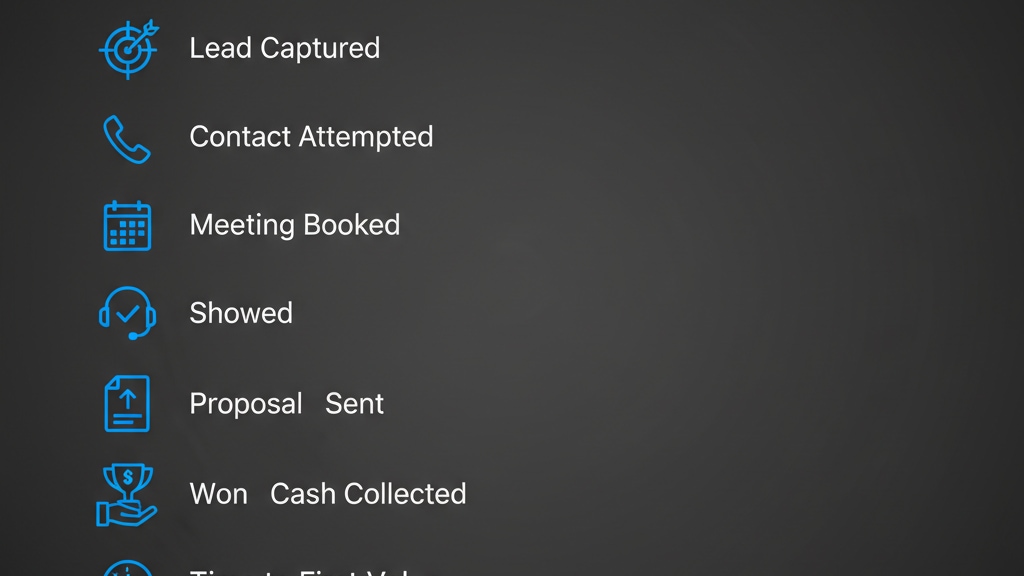
Track these events end to end. Lead captured. Contact attempted. Meeting booked. Showed. Sales call. Proposal sent. Won. Cash collected. Time to first value. Add source and owner. That is enough to start.
Create one weekly control table. Metric, owner, last week value, this week change, next action. Keep it short. If it does not fit on one screen you will ignore it.
Automate capture and reminders. Do not ask humans to remember to log. They will not. Hook it to your calendar, your forms, your payment system.
Celebrate movement, not size. A two point gain in show rate beats a large but random spike in top of funnel. Movement means the loop works.
Where this is going next
The next lever for us is show rate. It links to the cash goal and it can move inside one month. We will test copy, timing, channel mix, and reschedule flow. We will also harden the payment flow so cash collected closes the gap with closed value faster. On the product side, FastPal Leads will feed the Copilot roadmap with real data. In InnoCom, each event feeds the matching engine and gives us a clearer sense of buyer intent from universities and corporates.
The partnership with a long running recruiting agency is another loop. Shared process, shared targets, first milestone, clear owner. I will flag one risk. Partnerships create shared blind spots if you do not agree on definitions. We will lock definitions upfront so the control table stays clean.
Why this matters for your team
If you are reading this and you are early, build control now. It will not make you rigid. It will make you sharp. It will expose where effort turns into value and where it does not. It will give your team calm focus. It will help you say no to work that looks important but does not move a number you care about.
When someone asks what changed this month, you will have an answer that is not a story. You will have a lever, an owner, and a result.
Action plan
This week we pick one choke point and one change. My pick is show rate. We test a tighter reminder sequence with SMS and a fast reschedule link. We give it one owner and five days. We write down the result and either keep or change it next week.
One metric to judge success
Percentage of readers who reply or DM to ask for a demo of the control loop or to compare pipelines within seven days.
One reflection question in two weeks
Which single change moved a number the most, and what does that say about where you should spend eighty percent of your next month.